TORONTO OLD HOME RENOVATIONS
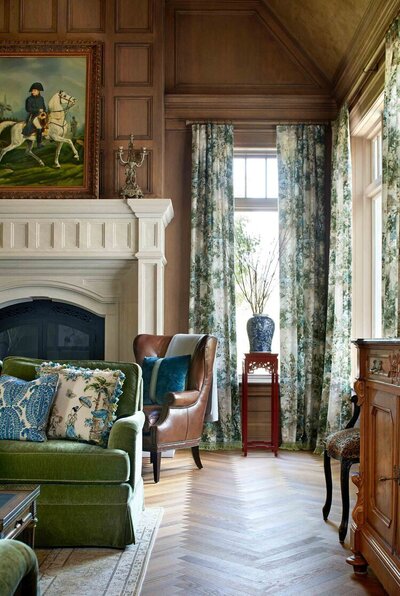
In Toronto (my neck of the woods) there are plenty of prestigious neighbourhoods boasting their fair share of impressive century homes. From the Edwardians and grand Victorians of Rosedale, to the stately Tudor Revivals and Georgian mansions of Forest Hill and Lawrence Park, these architectural gems, built between 1860 and 1930, line the leafy streets of the city’s most affluent enclaves.
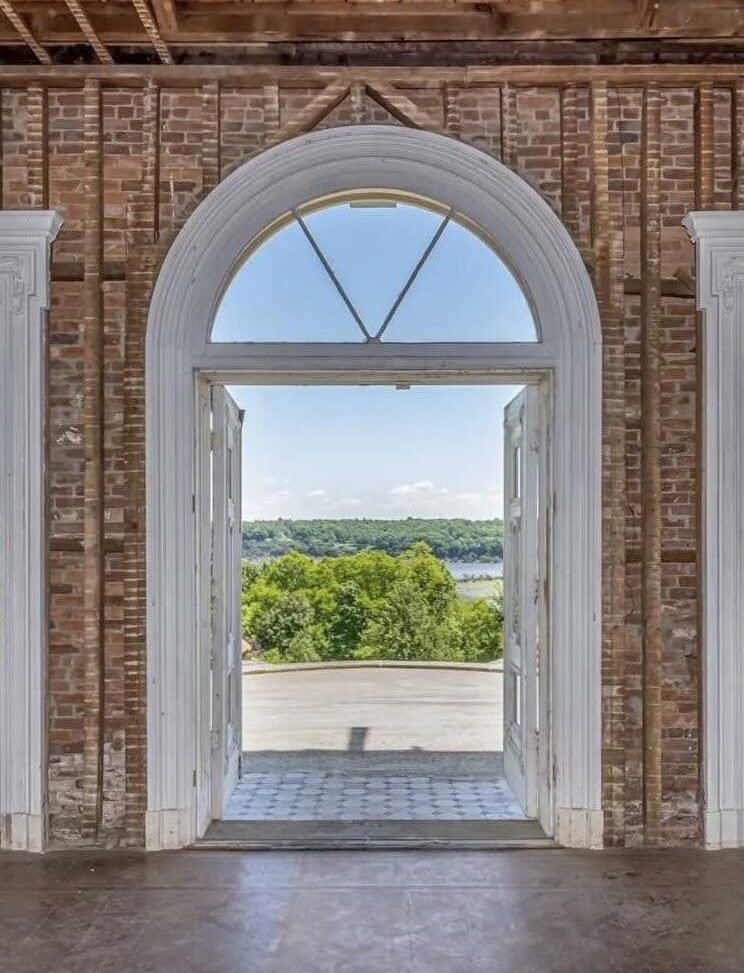
Unfortunately, a lot of these exceptional and singular homes have undergone, what I will politely call, “not so thoughtful” renovations. While the exteriors remain mostly unchanged (save some questionable paint selections and “modern” windows), the interiors have been mercilessly gutted. Sadly, what once made the home distinctive and unique, now lives in a garbage bin.
LUXURY AT HOME
For the homeowner, I know it can be a bit overwhelming. What do you discard and what do you keep? What is even worth saving? I get it. People want to bring these houses into the 21st century. They want to update the home’s functionality and performance, ie. floorplans that work, optimized kitchens and bathrooms, updated HVAC systems, along with energy efficient windows. They want creature comforts along with the modern conveniences of today.
Homeowners want luxury – a home that emphasizes wellness and personalization – one that reflects their specific lifestyle and tastes. Elements such as spa-like bathrooms, custom fitness rooms and bespoke wine cellars have become the hallmark of today’s luxury home. Let’s not forget advanced smart home technology. With just one click we want to control a myriad of settings for lighting, temperature, entertainment systems and security.
The good news is: Yes, it is possible to add all of this into a century home during a renovation.
PRESERVING THE PAST
But for me, the primary question is: How can we elevate luxury by preserving what is already there?
Here is how I think about luxury when it comes to century homes:
- Quality of materials – What is it made from? And longevity? If it has lasted hundreds of years, it will likely last 100+ more.
- High end craftsmanship – It is not solely about being “built to last”. Think about it. Some highly skilled tradesperson back in the day took great care and loads of time to hand carve that mantel or newel post.
- Uniqueness – Perhaps that mantel or newel post was made custom just for this home. Or maybe it’s a stained glass window that is one of a kind.
- Authenticity – Nothing adds authenticity like the ravages of time 🙂 Wear and tear and the patina that comes naturally with age, is almost impossible to replicate.
- Exclusivity – How about millwork made from a wood species that is no longer available? Or maybe that panelling is made from a rare exotic wood?
INTO THE WOODS
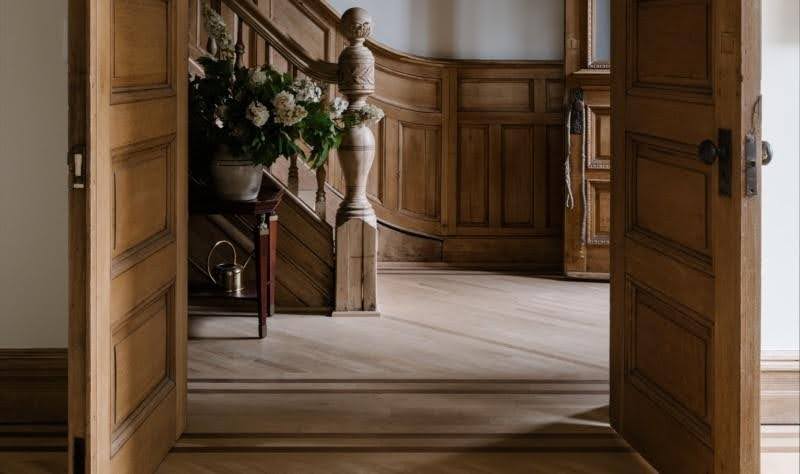
Speaking of wood, as a designer, I sometimes grapple with whether to stain or paint. I know….gasp! Usually it comes down to the overall aesthetic we are going for. A key consideration in our conceptual design phase is to identify the wood species and also evaluate the shape that it is in. Either way – gorgeous old millwork elevates a home instantly. It speaks to quality, craftsmanship and sometimes exclusivity. You may decide to strip off centuries of paint and it will be well worth it. Here is a perfect example below.
SIZE MATTERS
When it comes to trim work – the bigger the better! In a nutshell, if your century home comes with gorgeous chunky trim work (ornate or simple in its design) then by all means, keep it. If there are some missing or damaged sections, you can sometimes find those exact vintage trim profiles to purchase. Or you can opt to have templates made to produce new baseboards and casings, for example.
UPSTAIRS, DOWNSTAIRS
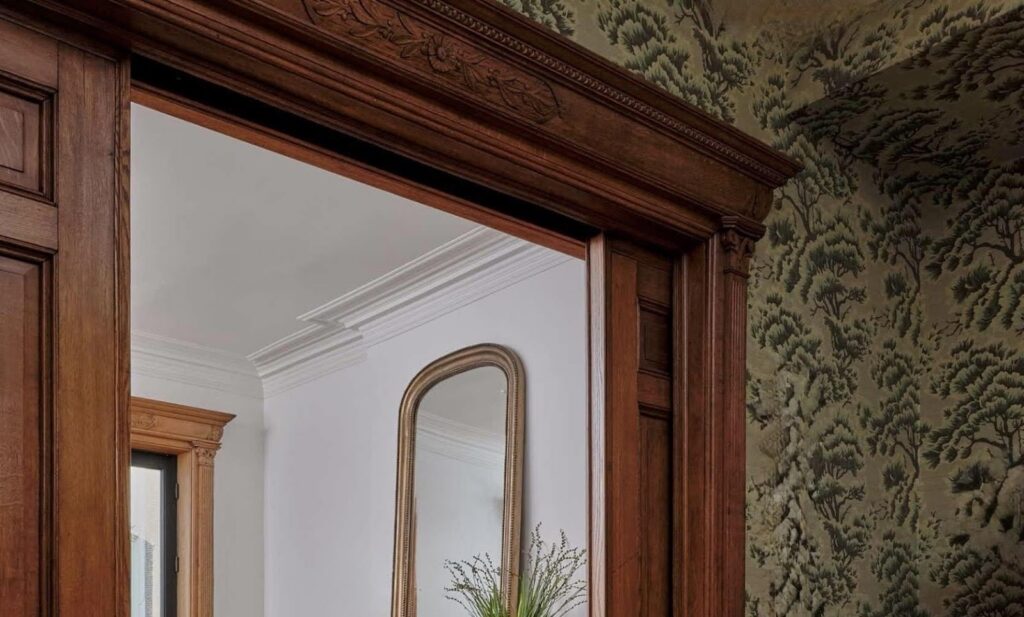
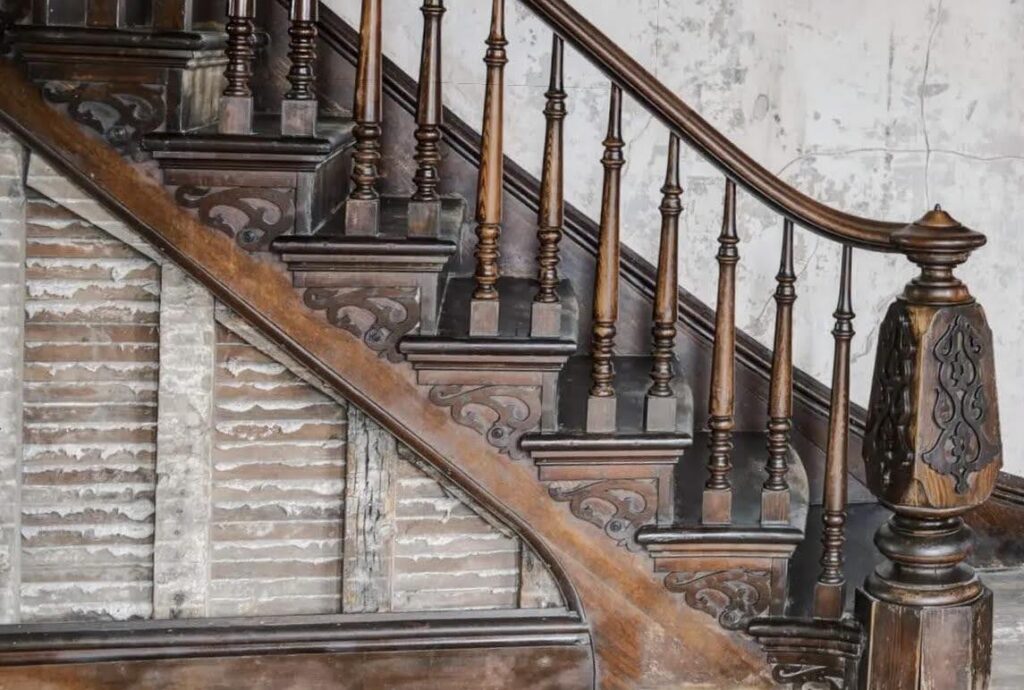
In my opinion, nothing speaks to craftsmanship and authenticity like a grand old staircase, with its hefty bannister, elaborately turned spindles, and impressively solid newel post as its anchor. Even if the spindles and newel post are not super unique in their detail, there is no denying that they just don’t build staircases like that any more. No glass railings please 🙁
ICING ON THE CAKE
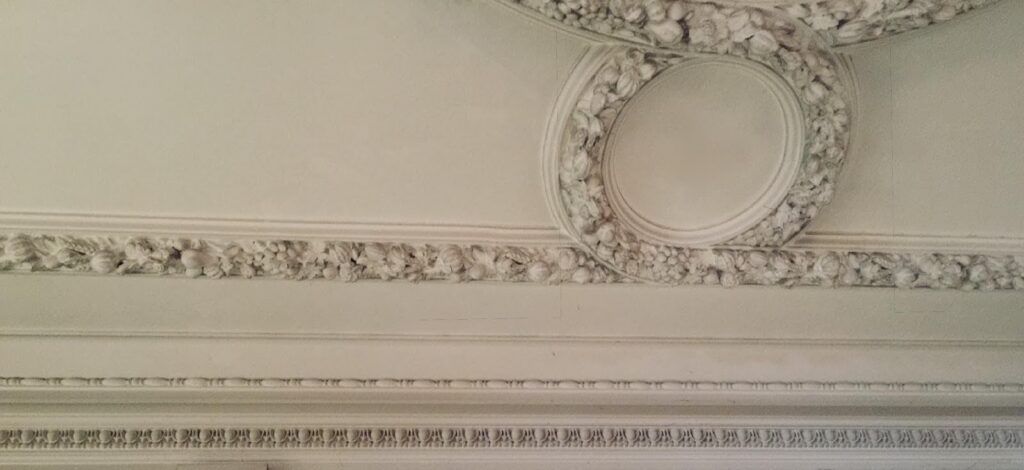
Look up…way up. I like to call the ceiling the fifth wall. Often ignored, this is a great place to add unique detail and interest to a space. Depending on the period of your home, the detail may already be there, in the form of beautiful plaster mouldings and medallions. Simply put – try your best to keep plasterwork. If some is damaged or missing it is very likely that it can be repaired or matched, by a skilled tradesperson.
IF YOU’VE GOT IT, FLAUNT IT
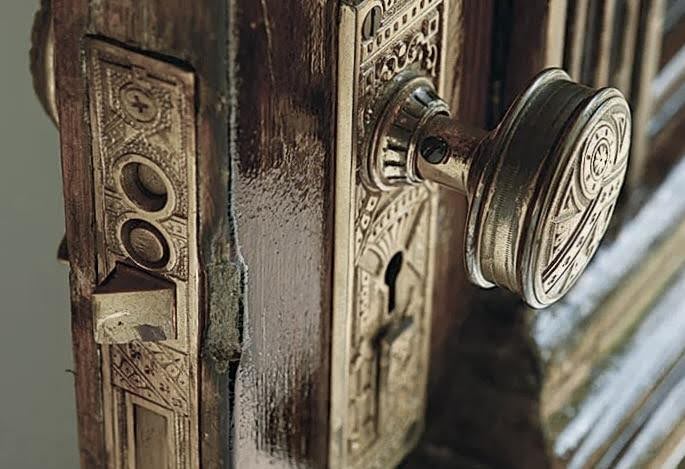
Hardware is the jewelry of the home! Historic homes often come with unique and highly decorative knobs, plates, latches, bolts, and hinges made from solid brass or nickel/nickel plated brass. No matter the material, the warm patina of antique hardware lends an air of authenticity.
THE HARD TRUTH
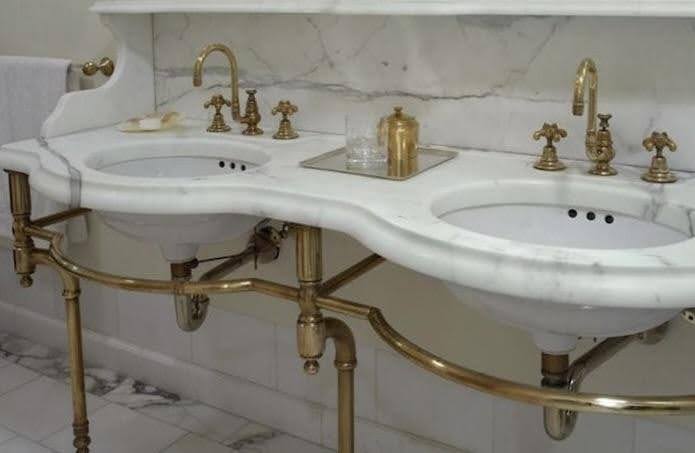
Old houses come with old materials. However beautiful, oftentimes the stone counters are stained and the floor tiles are chipped. Sometimes we do have to discard items and start from scratch, especially when we are working with new floorplans. When you are making selections, consider sticking with natural stone. Yes, it is more expensive and requires some maintenance. Unique in its patterns and tones, natural stone is a gift from Mother Nature and is the epitome of luxury.
PARTING THOUGHTS
My two cents…
Get educated – Start by making sure you understand your home’s architecture – the specific period and style. If you don’t, then find a specialist designer who does. Century homes possess specific proportion and scale, along with unique attributes. An expert designer will be skilled at incorporating your modern day “wish list” in a way that aligns with the soul of your old home.
Find your dream team – Work with a renovation team that is is well versed in century homes. They should be experienced in restoring or replicating original millwork, plasterwork details, staircases and windows, just to name a few.
Learn to preserve – Just because something is broken doesn’t mean it can’t be fixed or made from new materials to match. There are usually alternatives to ripping it out and throwing it away.
Be sneaky – With thoughtful planning you can ensure that modern interventions remain invisible to the eye, as much as possible.
Hope you enjoyed….see you next month!

Sign up for our monthly newsletter where we announce my latest journal posts and news!